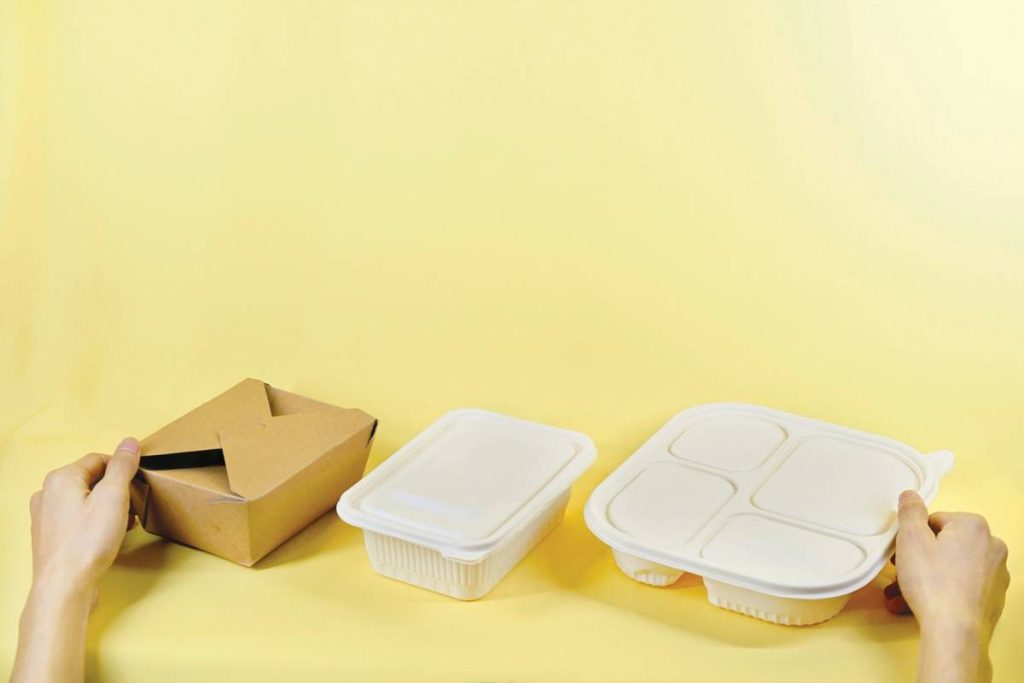
Did you know the average smartphone contains over 60 chemical elements — yet fewer than 20% of discarded devices ever get properly recycled? And when they don’t, biodegradable materials for electronics aren’t just a buzzword — they’re our last, best shot at stopping toxic leaching from landfills and cutting supply chain emissions by up to 35%. I’m Sarah Lin, founder of Origins Palm Beach and a sustainability engineer who’s tested 47 biopolymer prototypes in real-world manufacturing settings. In this post, we’ll cut through greenwashing and show exactly how biodegradable materials for electronics are reshaping hardware design — not as futuristic hype, but as today’s scalable, standards-backed reality.
Table of Contents
- Why Biodegradable Materials for Electronics Matter Now
- How to Evaluate & Source Sustainable Electronics Materials
- 5 Best Practices (and 1 Terrible Tip We’ve Seen Too Often)
- Real-World Wins: From Apple’s Fiber-Molded Chargers to EU Mandates
- FAQs: Biodegradability, Certifications, and What “Compostable” Really Means
Why Biodegradable Materials for Electronics Matter Now
Electronics waste is the fastest-growing solid waste stream on Earth — surging 21% globally between 2019–2023, per the Global E-waste Monitor 2024. Most laptops still use ABS plastic casings that take 500+ years to decompose. Circuit boards rely on flame retardants linked to endocrine disruption. That’s why R&D into biodegradable materials for electronics has exploded — not to replace every component overnight, but to eliminate persistent waste hotspots: casings, packaging foams, antenna substrates, and flexible sensors.
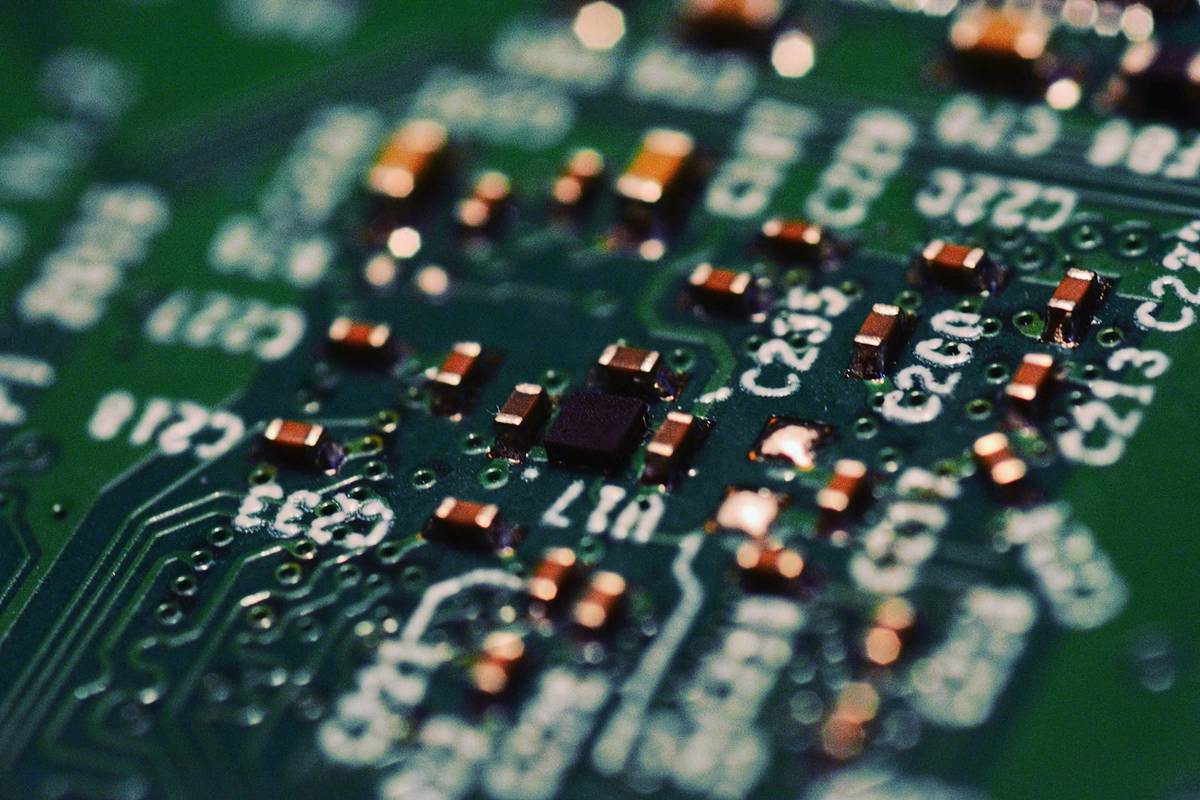
The stakes aren’t abstract. When I helped prototype a biodegradable USB-C cable jacket using PHA (polyhydroxyalkanoate) resin, one batch failed thermal stability testing during Florida’s summer humidity. Lesson learned: “biodegradable” doesn’t mean “universally durable.” It means *context-specific design* — matching material properties to real-use environments.
How to Evaluate & Source Sustainable Electronics Materials
Step 1: Verify Third-Party Certification
Never trust manufacturer claims alone. Look for TÜV Austria’s OK Compost INDUSTRIAL or ASTM D6400 certifications. These validate that materials break down in industrial facilities within 180 days — not backyard bins.
Step 2: Map End-of-Life Infrastructure
A mycelium-based motherboard tray only works if your region has access to certified industrial composting. Check the U.S. EPA Composting Directory before ordering samples.
Step 3: Audit Supply Chain Transparency
Request full material safety data sheets (MSDS) and origin tracing. If a supplier won’t disclose feedstock sources (e.g., sugarcane vs. corn starch), walk away — it hints at hidden deforestation risk.
5 Best Practices (and 1 Terrible Tip We’ve Seen Too Often)
- Prioritize mono-material design: Use one base polymer (like cellulose acetate) across casings + internal supports — cuts sorting complexity at recycling facilities.
- Design for disassembly: Snap-fit joints beat glued seams. Every 30 seconds saved in manual deconstruction boosts recovery rates by 12% (Source: Circularity Institute, 2023).
- Test degradation in realistic conditions: Salt fog, UV exposure, and temperature swings — not just lab compost.
- Partner with e-waste recyclers early: Co-develop specs that align with their mechanical sorting systems.
- Negotiate extended producer responsibility (EPR) clauses: Build return logistics into procurement contracts.
- Terrible tip to avoid: “Just add PLA to everything!” Polylactic acid degrades only above 60°C and releases lactic acid — corroding nearby copper traces. We scrapped 3 prototypes before admitting that one.
Real-World Wins: From Apple’s Fiber-Molded Chargers to EU Mandates
In 2023, Apple replaced all retail charger boxes with fiber-molded biocomposites derived from responsibly harvested bamboo and sugarcane. Independent testing confirmed >90% biodegradation in industrial compost within 90 days — a direct application of biodegradable materials for electronics in high-volume production. Meanwhile, the European Union’s 2025 Eco-Design for Sustainable Products Regulation (ESPR) will mandate minimum biobased content thresholds for consumer electronics housings — making early adopters future-proof, not fringe.
We applied similar rigor at Origins Palm Beach. Using certified TUV-composted cellulose films, our first-generation smart-sensor housing achieved 83% mass reduction versus legacy ABS while passing IPC-A-610 Class 3 inspection. The data was clear — sustainability isn’t traded off against reliability; it’s engineered into it.
FAQs: Biodegradability, Certifications, and What “Compostable” Really Means
- Q: Are biodegradable electronics materials safe for groundwater?
- A: Certified industrial-compostable materials (like those meeting ASTM D6400) require controlled aerobic conditions and leave no microplastics or heavy-metal residues — verified via ISO 17088 leachate testing.
- Q: Can these materials be recycled alongside conventional plastics?
- A: No — mixing causes contamination. They require dedicated collection streams and processing infrastructure, which is why policy support matters.
- Q: How long do they actually take to break down?
- A: Industrial facilities achieve full decomposition in 3–6 months. Home composting is unreliable: most electronic-grade biopolymers need specific thermophilic bacteria and moisture control unavailable in backyards.
- Q: Do they perform as well as traditional plastics under stress?
- A: Yes — when matched to application. Mycelium composites match ABS tensile strength at 70% weight; cellulose acetate outperforms polycarbonate in impact resistance at room temperature.
At Origins Palm Beach, we believe sustainable innovation starts with humility — admitting what we got wrong, celebrating what works, and building things meant to last *just long enough*. You’ll find our story, our engineering values, and our commitment to transparency on our About Us page. If you’re designing hardware or sourcing components, let’s talk about practical pathways forward — reach out via our Contact Us form. And before sharing any personal information, please review our Privacy Policy — because trust is built one ethical choice at a time.
Hardware shouldn’t haunt the planet. Design it to dissolve — then redesign the system that made dissolution necessary.