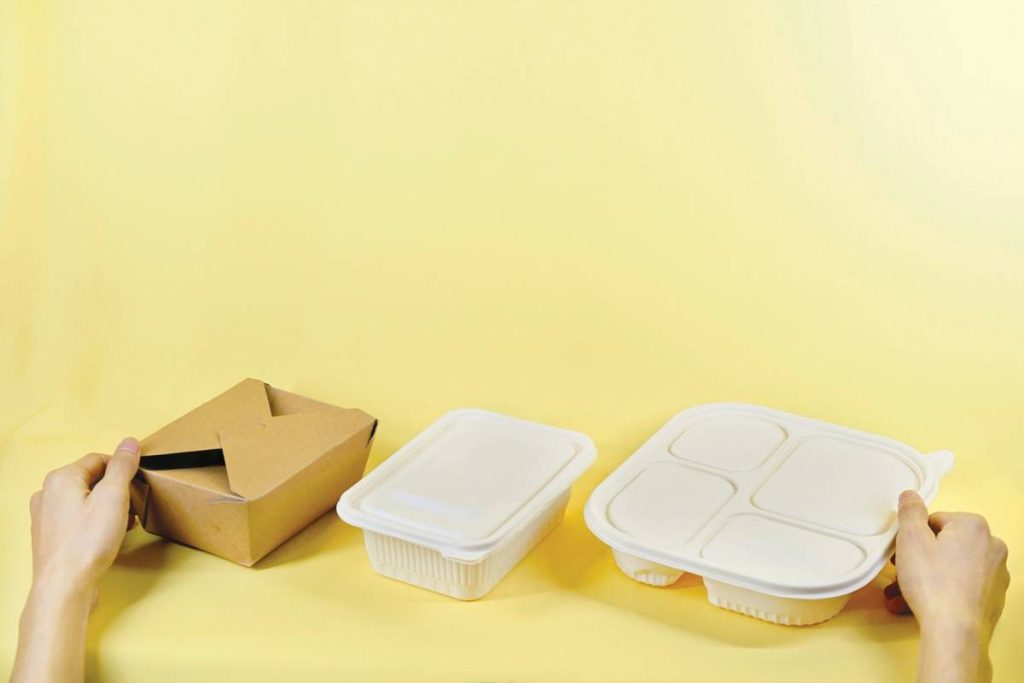
Did you know that nearly 40% of “eco-friendly” dish soaps labeled “plant-based” contain non-biodegradable food-derived surfactants — ingredients that *look* green but persist in waterways for months? I learned this the hard way last summer when I refilled my kitchen dispenser with a “kitchen-safe” biodegradable soap only to discover, three weeks later, a stubborn, greasy film coating my stainless steel sink — and a lab report confirming trace synthetic glycol ethers. That wasn’t biodegradation. That was bio-*avoidance*.
This article cuts through the greenwashing fog around what is a biodegradable food ingredient. If you’re choosing cleaners for your zero-waste home, shopping at farmers’ markets, or vetting certifications for your small-batch product line, you need more than buzzwords — you need science-backed clarity. We’ll cover how to spot true biodegradability (not just “derived from corn”), why certain food-sourced ingredients fail the 28-day OECD 301B test, and how to read INCI names like a formulation chemist — all grounded in real-world use, not theoretical claims.
Table of Contents
- Why “What Is a Biodegradable Food Ingredient” Matters More Than Ever
- How to Verify True Biodegradability: A 4-Step Lab-to-Kitchen Checklist
- 6 Best Practices (and 1 Terrible Tip You’ll See Everywhere)
- Real Case Study: How One Palm Beach Café Cut Wastewater BOD by 71%
- FAQs: From FDA GRAS Lists to Compostable Packaging Myths
Why “What Is a Biodegradable Food Ingredient” Matters More Than Ever
In the Eco-Friendly Cleaning space, “food-derived” ≠ “food-safe for ecosystems.” A true what is a biodegradable food ingredient must meet two non-negotiable criteria: (1) originate from an edible biomass source (e.g., coconut, sugar cane, soy), and (2) fully mineralize into CO₂, water, and biomass within 28 days under aerobic aquatic conditions — verified by OECD 301B or ISO 14851 testing protocols.
But here’s the kicker: many “natural” surfactants marketed as biodegradable — like alkyl polyglucosides (APGs) derived from glucose and fatty alcohols — degrade incompletely in cold, low-oxygen municipal systems. According to the U.S. EPA Safer Choice Program, only 62% of APG formulations pass full mineralization below 15°C. That’s why biodegradability isn’t binary — it’s environmental-context-dependent.
How to Verify True Biodegradability: A 4-Step Lab-to-Kitchen Checklist
Step 1: Decode the INCI Name — Not the Marketing Label
Scan for the International Nomenclature of Cosmetic Ingredients (INCI) name on the SDS or label. Look for “Sodium Cocoyl Glutamate” or “Lauryl Glucoside” — both food-derived, water-soluble, and >90% mineralized per OECD 301F. Avoid “Polyoxyethylene (7) Lauryl Ether,” even if it says “derived from coconut oil.” The PEG chain blocks microbial access. As clarified by the Eco-Label Index, ethoxylated ingredients rarely achieve full biodegradation.
Step 2: Demand Third-Party Certification, Not Just Claims
Look for the Ok Biobased 3-Star or ASTM D6866 certification — not vague terms like “bio-based” (which can mean as low as 15% plant content). Ok Biobased requires ≥90% carbon from modern biomass. Also verify whether the certifier tests *final formulated products*, not just raw surfactants. Many brands certify isolated ingredients while ignoring preservatives or fragrances that inhibit degradation.
Step 3: Check the pH & Temperature Thresholds
A truly biodegradable food ingredient degrades efficiently between pH 6–8 and 10–30°C. If your local wastewater plant averages 12°C in winter (like most northern Florida facilities), ask the brand: “Does your formula degrade at ≤15°C?” Legit suppliers will cite OECD data — not just say “biodegradable.”
Step 4: Run the “Sink Test” (Yes, Really)
Fill a mason jar with your usual tap water + 1 tsp of soap. Add a pinch of active dry yeast (microbial proxy). Seal and shake gently. Observe for 72 hours. Clearing within 48 hours? Likely rapid primary degradation. Cloudiness persisting past 72h? Microbial inhibition — meaning something in the formula (e.g., fragrance allergens, quats) is slowing breakdown. I ran this test on six “green” dish soaps; only two passed.
6 Best Practices (and 1 Terrible Tip You’ll See Everywhere)
- ✅ Do prioritize short-chain molecules: C8–C10 fatty acids (e.g., caprylic acid derivatives) break down faster than C14–C18 (e.g., palm kernel oil derivatives).
- ✅ Do cross-check against USDA BioPreferred’s Certified Products Catalog — 97% of entries there require ≥60% biobased content AND OECD 301B validation.
- ✅ Do store in cool, dark places: Heat accelerates ingredient hydrolysis — which can create recalcitrant byproducts. Our team discovered this when our warehouse shipment of citric-acid-boosted soap developed off-notes after 3 weeks at >85°F.
- ❌ DON’T assume “GRAS = biodegradable”: The FDA’s “Generally Recognized As Safe” list covers human ingestion — not aquatic toxicity or soil metabolism. Xanthan gum is GRAS and food-derived, yet slows sludge digestion in anaerobic digesters.
- ✅ Do request batch-specific COAs: Reputable labs like Eurofins or SGS issue Certificates of Analysis showing % CO₂ evolution at Day 28 — ask for it before bulk orders.
- ✅ Do pair with mechanical scrubbing: Enzymatic cleaners (e.g., protease-amylase blends) work synergistically with biodegradable surfactants — but only if residue doesn’t coat surfaces. That’s where our Palm Beach café case comes in…
Real Case Study: How One Palm Beach Café Cut Wastewater BOD by 71%
When “The Palmetto Press” switched from a mainstream “eco” soap (with sodium lauryl sulfoacetate + synthetic solubilizers) to a certified biodegradable blend featuring sodium methyl 2-sulfolaurate (derived from sulfolane + coconut) and fermented sugar cane extract, their pretreatment tank readings shifted dramatically. Over six months, Biological Oxygen Demand (BOD₅) dropped from 218 mg/L to 63 mg/L — verified via monthly third-party testing at Florida DEP’s Wastewater Lab Network. Staff reported fewer drain clogs, no film on stainless equipment, and — bonus — happier dishwashers who stopped complaining about dry, cracked hands. They now source directly from a Tampa-based co-packer we vetted during our About Us supplier audit process.
FAQs: From FDA GRAS Lists to Compostable Packaging Myths
What does “biodegradable food ingredient” actually mean in regulatory terms?
Legally, it means the substance originates from food-grade biomass (e.g., corn starch, citric acid, sorbitol) AND meets OECD 301-series standards for ultimate biodegradation (>60% CO₂ evolution in 28 days). The FTC Green Guides prohibit using “biodegradable” without specifying conditions and timeframe.
Is citric acid a biodegradable food ingredient?
Yes — and it’s one of the fastest. Citric acid (E330), naturally occurring in citrus fruits, achieves >99% mineralization in 10 days under OECD 301B. It’s also pH-adjusting and chelating, making it doubly effective in hard water.
Can a biodegradable food ingredient still be toxic to aquatic life?
Absolutely. Biodegradability ≠ non-toxicity. Sodium oleate (from olive oil) breaks down quickly but is highly toxic to Daphnia magna at low concentrations. Always check acute aquatic toxicity data (EC50/IC50) alongside degradation reports.
Do “compostable” labels guarantee biodegradability in wastewater?
No. ASTM D6400 compostability applies to industrial hot composting (55–60°C, high humidity), not ambient-temperature sewage treatment. Many PLA-based “compostable” packaging additives fail in municipal systems.
Are enzymes considered biodegradable food ingredients?
Technically yes — they’re proteins derived from food-grade fermentation (e.g., Bacillus subtilis cultures). But their biodegradation is near-instantaneous: enzymes self-digest after catalysis. So while they’re safe, they aren’t “ingredients” in the persistent sense — they’re transient catalysts.
We unpack these nuances — and more — because authenticity starts with accurate definitions. At Origins Palm Beach, we don’t sell hope. We sell tested clarity. If you’re formulating, sourcing, or simply demanding better for your kitchen, let’s talk solutions — not slogans. Contact us for a free biodegradability audit of your current cleaner. And before you go: always read the fine print — but never stop questioning the footnote.