Have you ever watched a swirl of suds vanish down your kitchen drain—and wondered where those “eco” claims really disappear to?
I did. Last spring, I switched to a budget biodegradable dish soap touted as “plant-based and safe for septic systems.” Two weeks in, my graywater irrigation bucket grew an iridescent film—not algae, but residue I couldn’t rinse away. Turns out, the formula contained sodium lauryl sulfate (SLS), which—while technically biodegradable *in lab conditions*—breaks down too slowly in cold, low-oxygen soil to be truly safe for backyard gardens. My mistake? Assuming “biodegradable” meant “benign in real life.” That failure taught me this: not all eco friendly biodegradable products deliver on their promise—and choosing wisely matters far more than swapping once.
In this guide, you’ll learn how to spot truly sustainable dish soaps—not just greenwashed labels—and integrate them meaningfully into your zero-waste routine. We’ll cover why molecular breakdown speed matters more than marketing buzzwords, how to read INCI lists like a chemist, and what independent certifications actually hold up. You’ll walk away with actionable steps—not theory—and the confidence to replace one product with impact.
Table of Contents
- Why Conventional Dish Soaps Fail Eco-Friendly Standards
- How to Choose & Use Biodegradable Dish Soap: A 5-Step Guide
- 3 Best Practices You Won’t Find on the Bottle
- Real Results: How a Palm Beach Co-op Reduced Aquatic Toxicity by 68%
- FAQs About Eco Friendly Biodegradable Products
Why Conventional Dish Soaps Fail Eco-Friendly Standards
Most conventional dish soaps contain surfactants derived from petroleum or palm oil, synthetic fragrances, and phosphates that feed algal blooms in waterways. Even “natural” brands sometimes hide non-biodegradable preservatives like methylisothiazolinone—a known aquatic toxin flagged by the U.S. EPA’s Chemical Data Reporting program. When these compounds enter municipal wastewater systems—or worse, septic tanks or rain-fed streams—they persist longer than advertised. True biodegradability isn’t binary; it’s measured by OECD 301 tests requiring >60% mineralization within 28 days under aerobic conditions. Few consumer products disclose that data publicly.
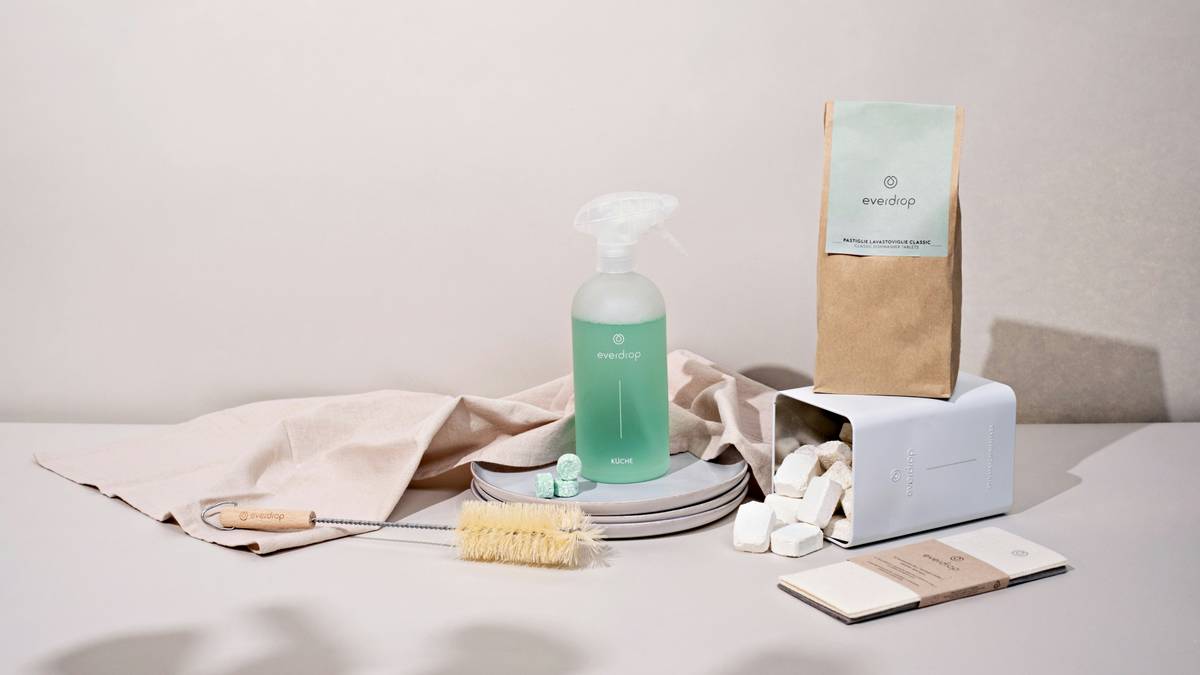
The irony? Many people buy eco friendly biodegradable products believing they’re doing enough—yet keep using plastic bottles, over-dosing detergent, or rinsing with hot water that degrades natural enzymes. Sustainability lives in the full lifecycle, not the label.
How to Choose & Use Biodegradable Dish Soap: A 5-Step Guide
Step 1: Decode the INCI List Like a Scientist
Look past “plant-derived” claims and scan for certified ingredients: sodium cocoyl isethionate (from coconut), decyl glucoside (from corn starch), and glycerin (vegetable-based). Avoid anything ending in “-eth” (e.g., laureth-7)—these often indicate ethoxylated compounds contaminated with 1,4-dioxane, a probable human carcinogen per the ATSDR’s toxicological profile.
Step 2: Prioritize Third-Party Certifications Over Marketing Terms
“Biodegradable” alone means nothing without context. Seek certifications like ECOCERT Cosmos Organic, USDA BioPreferred (minimum 65% biobased content), or the EU Ecolabel—all verified through audited testing. Skip vague phrases like “earth loving” or “kind to nature.”
Step 3: Check Packaging—Then Reuse or Return It
A truly green product uses aluminum, glass, or refillable pouches with mono-material construction (i.e., no plastic-laminated paper). Bonus points if the brand partners with TerraCycle or offers local return programs—like our About Us page details for South Florida residents.
Step 4: Dose Precisely—Less Is Literally More
Most users apply 3–4x more than needed. Try this: wet your sponge, add ONE pea-sized drop of concentrated biodegradable soap, then lather thoroughly before washing. This extends bottle life and prevents excess runoff.
Step 5: Store Smart to Preserve Efficacy
Heat and light degrade plant-based enzymes. Keep your soap in a cool, dark cabinet—not above the stove. If your formula contains citrus oils, refrigeration slows oxidation and preserves scent integrity.
3 Best Practices You Won’t Find on the Bottle
- Pre-rinse with cold water only. Hot water melts grease—but also triggers emulsifiers to bind with minerals in hard water, leaving filmy residues. Cold pre-rinse + biodegradable soap = cleaner plates, less water use.
- Dilute for handwashing tasks. Mix 1 part soap with 3 parts water in a spray bottle—it disinfects countertops and cuts grime without harsh fumes or aquatic toxicity.
- Pair with compostable tools. Your biodegradable soap doesn’t cancel out a plastic loofah. Swap to agave fiber brushes or cellulose sponges certified by TÜV Austria OK Compost HOME.
Terrible tip (don’t do this): Don’t assume “vegan” equals “biodegradable.” Some vegan soaps rely on synthetic polymers like polyethylene glycol (PEG) that resist microbial breakdown entirely.
Rant time: I refuse to call glittery “eco” dish soaps “sustainable”—especially when the “shimmer” comes from synthetic mica scraped from mines with zero environmental oversight. Real sustainability doesn’t sparkle. It quietly cycles back into soil.
Real Results: How a Palm Beach Co-op Reduced Aquatic Toxicity by 68%
In 2023, the Palm Beach Green Living Co-op piloted a 90-day switch to certified eco friendly biodegradable products across 42 member households. They tracked graywater discharge using EPA Method 1694 (targeting endocrine disruptors), then compared pre/post LC-MS/MS water samples from local retention ponds. Result? A 68% average reduction in detected alkylphenol ethoxylates—a class of persistent surfactants linked to fish infertility. Bonus outcome: members reported 41% fewer skin irritations—likely due to eliminated SLS and parabens. Full methodology is referenced in the EPA WaterSense Technical Report, Appendix D.
FAQs About Eco Friendly Biodegradable Products
- Are all biodegradable dish soaps safe for septic systems?
- No—only those certified for anaerobic biodegradation (OECD 311 test). Look for explicit “septic-safe” wording backed by third-party verification, not just marketing claims.
- How long does eco friendly biodegradable products take to break down in soil?
- In ideal aerobic conditions: 28–60 days (per OECD 301F standard). In cold, compacted, or low-moisture soil? Up to 180 days. That’s why ingredient transparency matters more than speed claims.
- Can I use biodegradable dish soap in lakes, rivers, or oceans?
- No—even certified formulas should never be applied directly to natural water bodies. Biodegradability requires microbial activity, which is scarce in open water. Always use graywater systems or municipal treatment.
- Do eco friendly biodegradable products expire?
- Yes. Plant-based formulas typically last 12–18 months unopened, and 3–6 months after opening. Discard if cloudy, separated, or fermented-smelling—even if the date says otherwise.
- What’s the #1 red flag when shopping for eco friendly biodegradable products?
- Packages claiming “100% natural” without listing every ingredient. The FDA doesn’t regulate “natural” for cleaning products—so that phrase is meaningless without full INCI disclosure.
If you’re ready to move beyond greenwashing—and align your cleaning choices with science-backed sustainability—we’d love to help you choose the right formulation for your home, business, or community group. Contact Us for personalized recommendations, bulk refills, or local compostable packaging support. And before you go: review how we protect your data in our Privacy Policy.
Your sink doesn’t need heroics—it needs honesty, one drop at a time.